
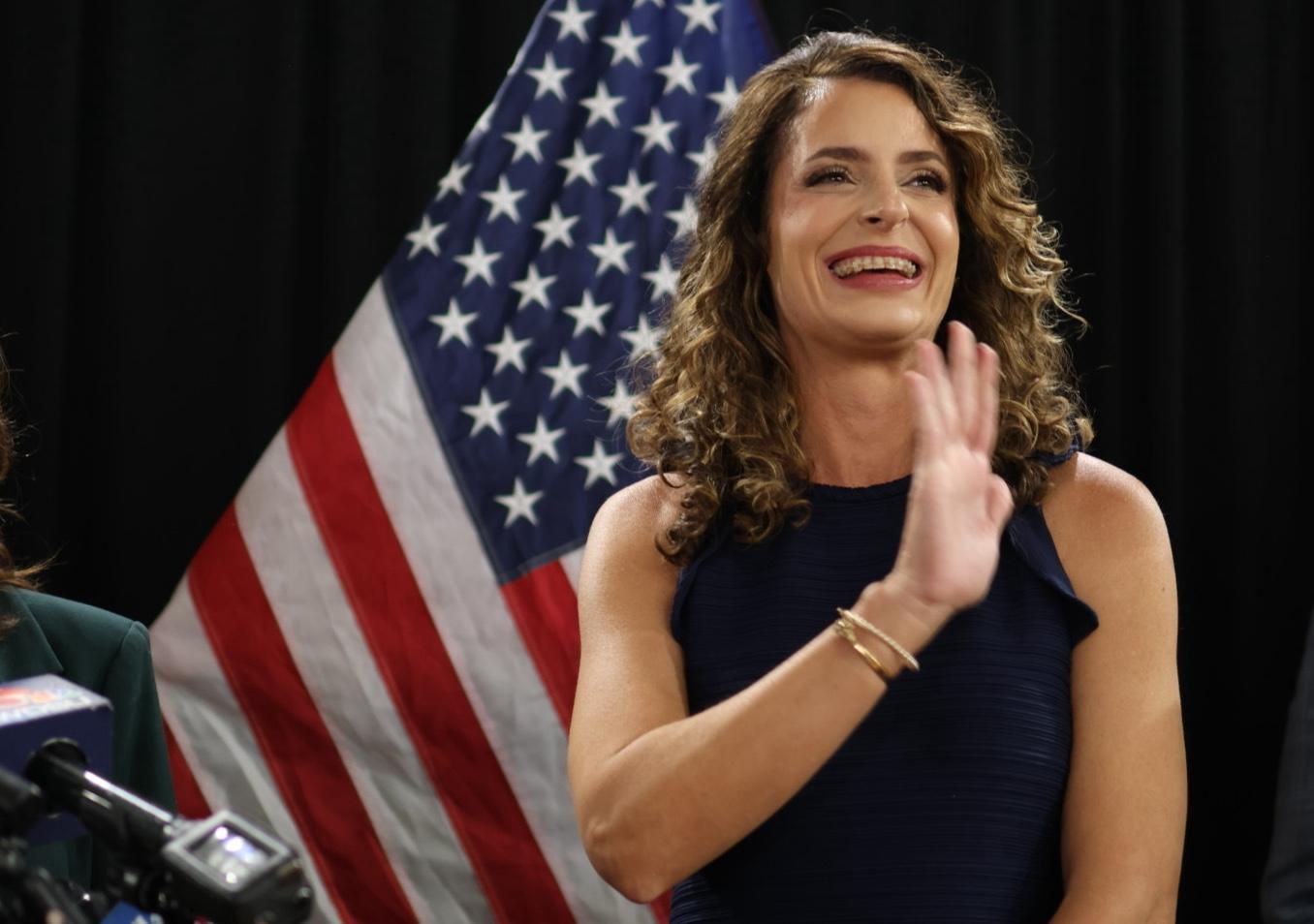
Representative Julia Letlow is facing scrutiny after records revealed she purchased Meta stock shortly after signing a strict nondisclosure agreement with the tech giant’s data center subsidiary. Documents released by Louisiana Economic Development show that the agreement, signed in April 2024, prohibited Letlow from disclosing not only sensitive business details but even the mere existence of the discussions. While a spokesperson for the congresswoman argued that such agreements are standard for economic development projects aimed at benefiting Northeast Louisiana, critics suggest the secrecy may have given her an unfair advantage in the market.
Legal experts and academic observers are questioning why a member of Congress would enter into such a detailed private agreement for a state level project. Kedric Payne, general counsel of the Campaign Legal Center, noted that this scenario moves beyond typical conflicts of interest and enters the realm of potentially using non public information for personal gain. Robert Hogan, a political science professor at LSU, echoed these concerns, stating that citizens expect transparency from their representatives and that such agreements hinder the free flow of information essential to democratic accountability.
The controversy extends beyond Meta, as filings indicate Letlow also traded Nvidia stock on the same day as some of her Meta transactions. This pattern comes amid a larger history of reporting lapses; Letlow recently disclosed over 200 individual trades from the previous two years that had been filed late, some by more than twelve months. These trades ranged significantly in value and included several high profile companies like Boeing and Goldman Sachs, some occurring just days after budget debates within the House Appropriations Committee where she serves.
In response to similar allegations in the past, Letlow has suggested her broker acts without her direct guidance, a defense Professor Hogan notes is frequently used by lawmakers to distance themselves from suspicious timing. Despite these controversies, Letlow previously supported legislation intended to ban members of Congress from trading individual stocks altogether. For now, watchdogs argue that whether the gains were small or large, the optics create a troubling perception of insider access that erodes public trust in government officials.