
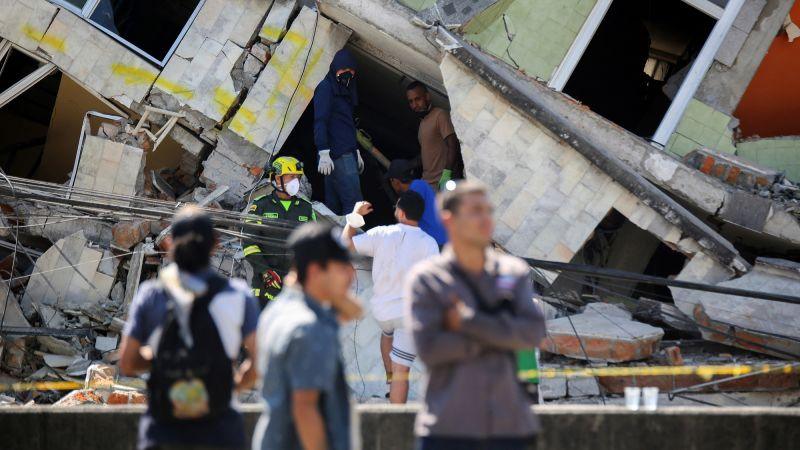
Emergency responders are racing against time to locate survivors following a devastating magnitude 7.4 earthquake that tore through western Colombia on Monday. The death toll has climbed to at least 213, with the hardest hit areas centered around the cities of Cali and Pereira. While the Colombian government has declared a national disaster and international leaders have pledged support, a harrowing gap remains between official aid and those trapped in remote regions. Near the epicenter in San José del Palmar, an indigenous leader reported that help has yet to arrive, leaving terrified communities to fend for themselves amidst ruins that some survivors described as looking like a scene from a horror movie.
In Cali, the third largest city in the country, the devastation was particularly acute with nearly 100 deaths reported locally. Residents describe a chaotic atmosphere where gentle rumbles rapidly evolved into violent tremors that lasted up to a minute, bringing entire apartment buildings crashing down. Mark Ericson, a former journalist living in Cali, recounted the struggle of helping his autistic son navigate the disorientation of the collapse while neighbors streamed into the streets in shock. With paramedics overwhelmed by the scale of the tragedy and multiple landslides trapping residents in various districts, ordinary citizens have stepped in to lead rescue efforts where official resources haven’t yet reached.
Experts warn that this catastrophe highlights systemic failures in urban planning and infrastructure within Colombia, which sits precariously on the Pacific Ring of Fire. Geologists and engineers argue that outdated land use maps and a lack of centralized geological data left many municipalities blind to their own risks. There is particular concern regarding low income housing and social dwellings that often bypass strict seismic codes to save time or money during construction. This vulnerability turned manageable shaking into lethal collapses for those living in poverty, creating what officials now recognize as a crisis amplified by socioeconomic inequality.
As rescuers continue to dig through rubble in Pereira and beyond, humanitarian organizations are shifting their focus toward long term survival needs. United Nations representatives have cautioned that food distribution must become a priority immediately to prevent further loss of life among displaced populations. While major hubs like Bogotá and Medellín escaped serious damage due to their central locations, the wreckage in western Colombia serves as a grim reminder of the urgent need for updated safety regulations before another once in a decade quake strikes again.